Tour D'horizon: January 2026
This was originally posted to my Substack.
Somewhere between the current political climate and my son home from daycare with a fever again, whatever intelligence or brain power I used to have has left me. Stress, despair, anger, and frustration, paired with the hyper-vigilance required to watch a rampaging toddler, leave little intellectual capacity behind with which to think or write. What work I have managed has been primarily interviews for my next book and grant applications for the book following it—everything feels like it’s so far away from completion or being at a point to share about. As I’ve struggled to carve out time for my work this month, I’ve also struggled to find inspiration; maybe more so, lacking the time to seek out inspiration (for example, I saw no exhibitions this month). Beauty has mostly been found in movies and in watching communities come together, fighting tyranny.
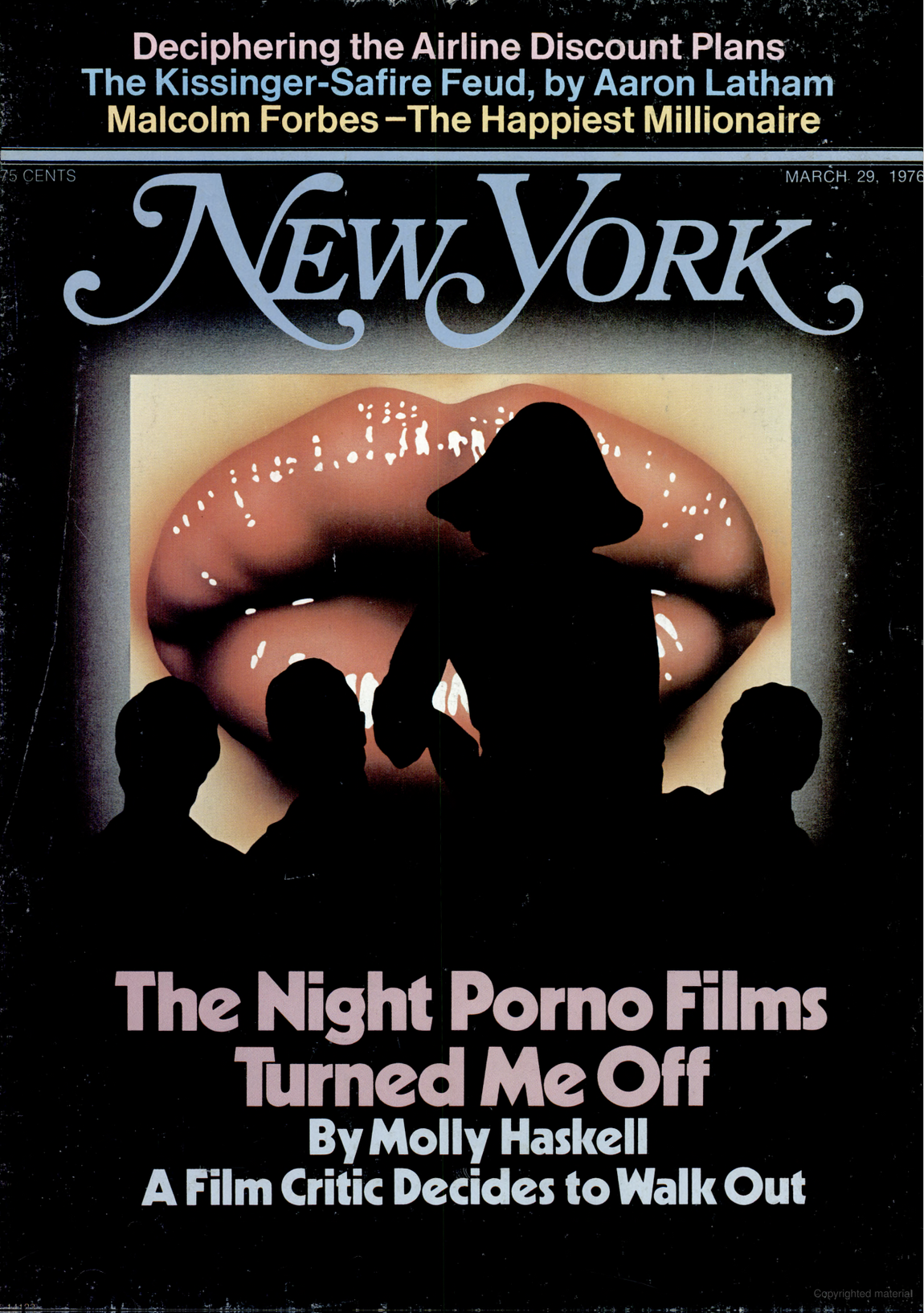
Molly Haskell’s essay on porn covers New York, March 29, 1976. Illustration by Nicholas Gaetano.
On Instagram the other day, I shared the 1976 New York cover for Molly Haskell’s essay on porn (also included in my newsletter about my interview with Molly last week) and received several requests to read the article. I’ve put it together in a PDF so anyone interested can download.
Below are some of the things that caught my eye, made me think, the earworm that is my son’s favourite song, and more:
reading
28 Films for the 28 Days of Black History Month
For Maya Cade’s sixth annual 28 Films for the 28 Days of Black History Month list, she chose films that “center fundamental Black stories and truths.”
The films below serve as a reminder that the function of tyranny is to seize our imaginations of tomorrow.
The films on this year’s list are in conversation with the dreams planted at birth to remind us that the only way to build a better Black tomorrow is to imagine it. Art is here to be a guide to construct new modes of understanding, communicating, and believing. In this moment of collective reckoning, Black cinematic history remains a prism of possibility that reflects the times and illuminates the possibilities of our beings. We can conceive of a world outside of the constraints placed upon us.
From the list:
A Dark Age for the Renaissance Center
On the eve of its fiftieth birthday, a history of John Portman’s Renaissance Center in Detroit and a discussion of the publicly funded development plan that will fundamentally alter the famous building—the city plans to demolish two of the towers, which feels very much like a travesty on all parts and something the city will come to regret. A must-read if you are a fellow Portman-aficionado or for anyone interested in historic preservation and redevelopment.
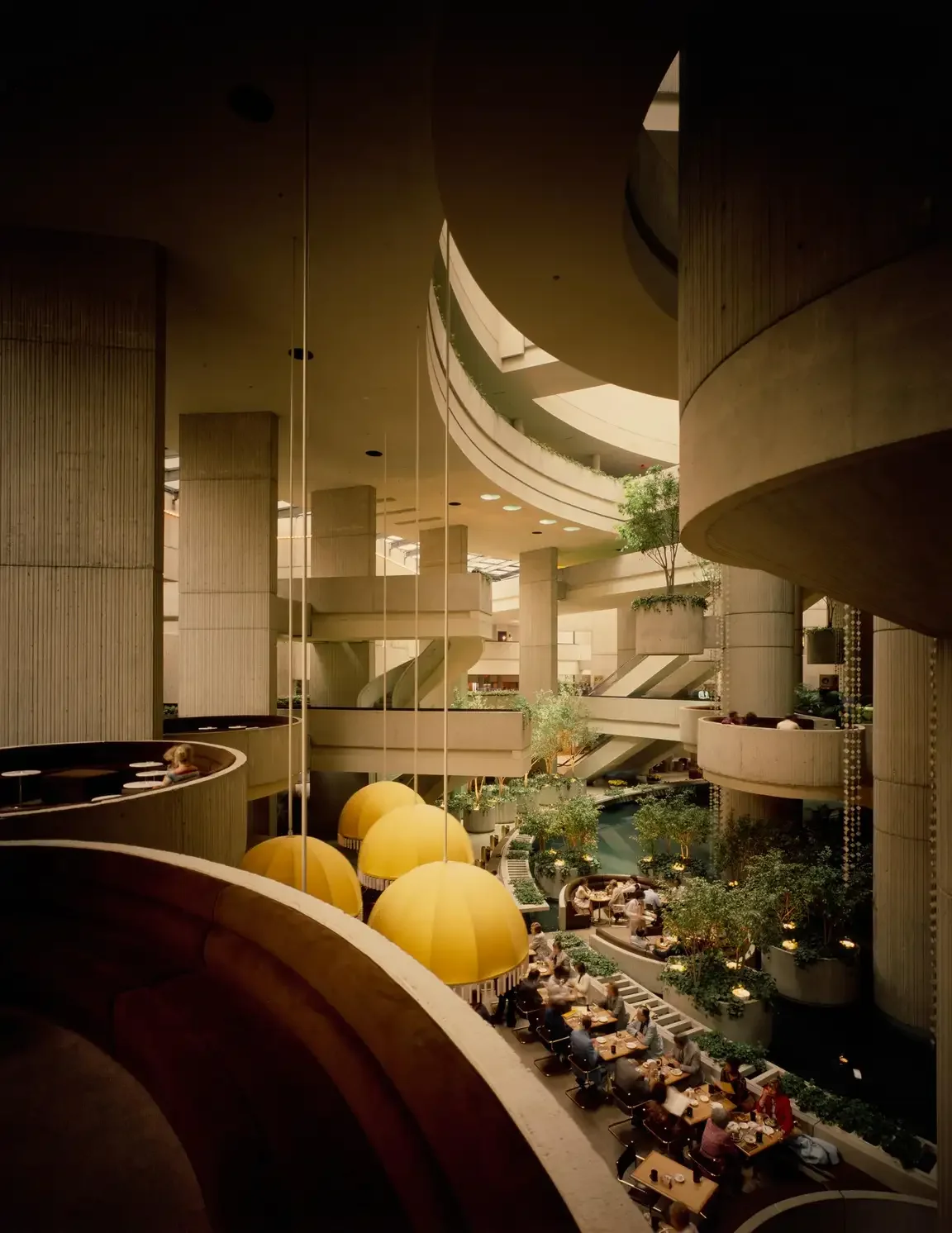
Detroit Renaissance Center, Phase 1, Detroit, 1977. Balthazar Korab Studios, Ltd., photographer. Balthazar Korab collection. Prints and Photographs Division, Library of Congress.
Meet the Met Opera’s In-House Cobbler
If you listened to my interview with costumer Sally Ann Parsons, you know I love a theatre costume BTS. I wish this were longer with more detail and more images, but it’s still a great look at this hidden career.
“Repair is a very quiet intelligence,” said John, who spends his free time working on his own line of leather goods. “A lot of people don’t realize that. One, it saves you money in the long run. And two, it keeps your memory.”
The New Yorker offered him a deal
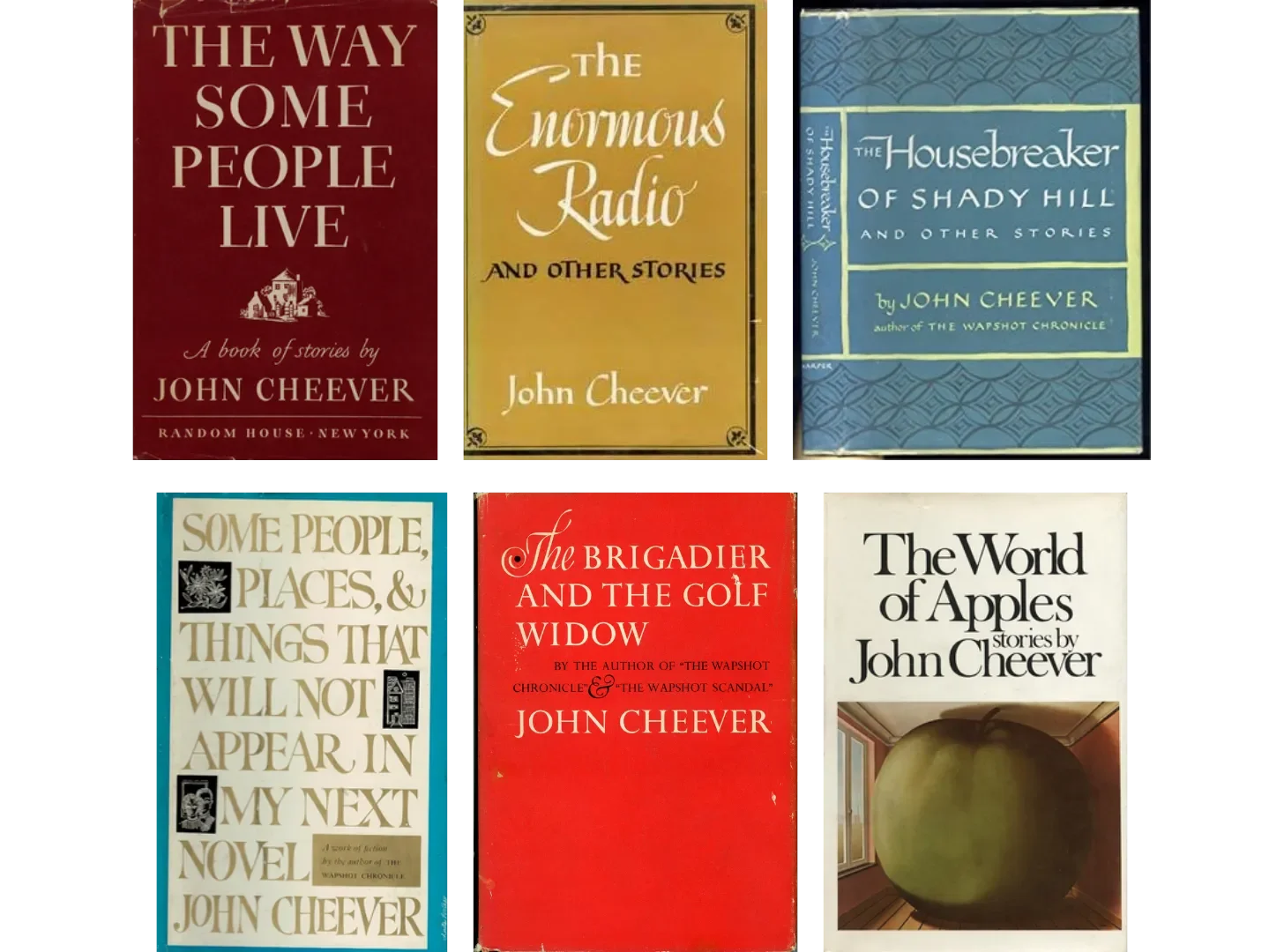
A long but engaging analysis of what makes a “New Yorker story.” As a Cheever fan, but not one too acquainted with some of the other writers mentioned, it made me wish I had more time to read fiction, but maybe fitting in a few short stories into my week isn’t so impossible…
Founding Cadre
Speaking of The New Yorker, here is a 1970 article on the difficulties inherent in a feminist consciousness-raising group. Very long, so put aside time for reading it. Twenty-six years later, Jane Kramer wrote a follow-up, explaining more about how she came to join the “cadre” and write about it.
On a rainy New York evening last winter, four young women called a meeting of friends, friends of friends, sympathizers, and recruits to the resurrected cause of the liberation of the human female. Two of the young women were already well known in the city’s new feminist circles—Hannah was writing a book that she liked to describe as “the great seminal work in American feminist theory,” and Barbara was responsible for an angry tract on sexuality that had established her among movement cognoscenti as a sort of heroine of the ungratified. Eve, the third feminist, had just started to write about women’s issues for one of the papers in the city. Nina, the fourth, was about to divorce her husband; at the moment, she was not thinking about writing anything.
listening
As I’ve been taking care of my toddler most of the month, I’ve pretty mch only listened to his absolute favourite song on repeat: “Viva la pappa col pomodoro,” a 1964 song composed by Lina Wertmüller and Nino Rota, arranged by Luis Bacalov and performed by Rita Pavone in the RAI television adaptation of the 1907 children’s book, Il Giornalino di Gian Burrasca, about a mischievous preteen in Tuscany. Wertmüller directed the series, which follows “an unruly kid and therefore nicknamed ‘Burrasca’ (big storm or gale in Italian) by his parents. Deemed uncontrollable by his family, Gian Burrasca is sent to boarding school where he rebels against the despotic headmaster and all manner of chaos follows.” While the book hasn’t been officially translated into English, this website has translations of some parts.
The song is very, very catchy, but also has a social message: Pappa al Pomodoro, a Tuscan soup made of stale bread and tomatoes, being the dish of the poor.
“Viva la pappa col pomodoro” Lyrics:
Viva la pa-pa-pappa
Col po-po-po-po-po-po-pomodoro
Ah viva la pa-pa-pappa
Che è un capo-po-po-po-polavoro
Viva la pa-pappa pa-ppa
Col po-po-pomodor
La storia del passato
ormai ce l´ha insegnato
Che un popolo affamato fa la rivoluzion
Ragion per cui affamati
abbiamo combatutto
Perciò “buon appetito”
facciamo colazionRoughly translated, it reads:
“History teaches us
That a hungry people
will start a revolution
That’s why hunger needs to be fought against
So ‘good appetite’
Let’s have breakfast
Long live pappa col pomodoro
Long live pappa col pomodoro etc.”This is the version we usually listen to:
watching
The best movie I watched all month was The Testament of Ann Lee, the musical biopic of Ann Lee, the founder of the Shakers. The music and chanting are hypnotic, the cinematography beautiful, and much of the story very moving (the sequence of the births, stillbirths, and deaths of her children particularly brutal). Amanda Seyfried was so good—I’m still shocked that she and the film were totally shut out from the Oscars nominations. If you have the opportunity to see it in 70mm, do it.
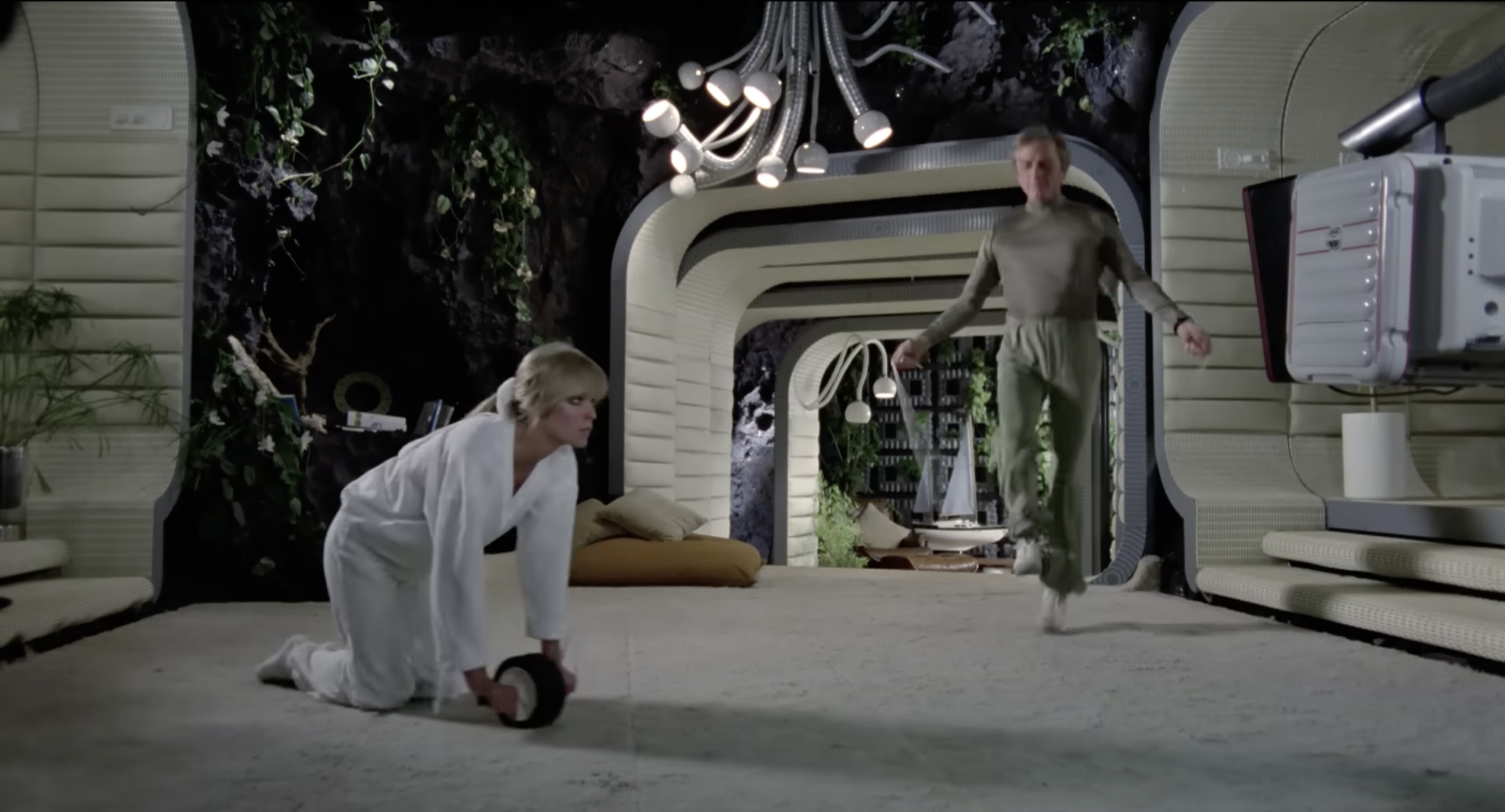
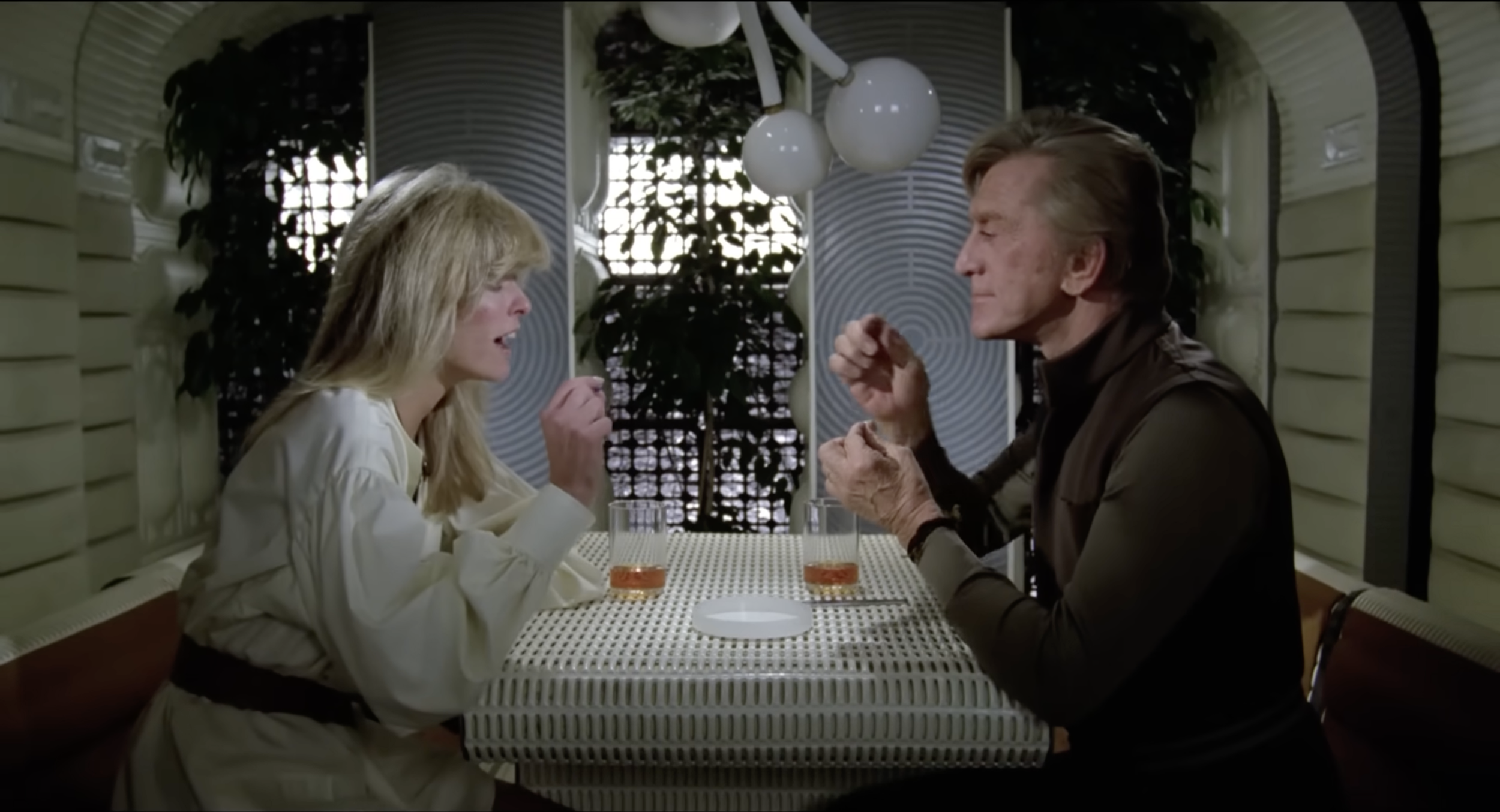
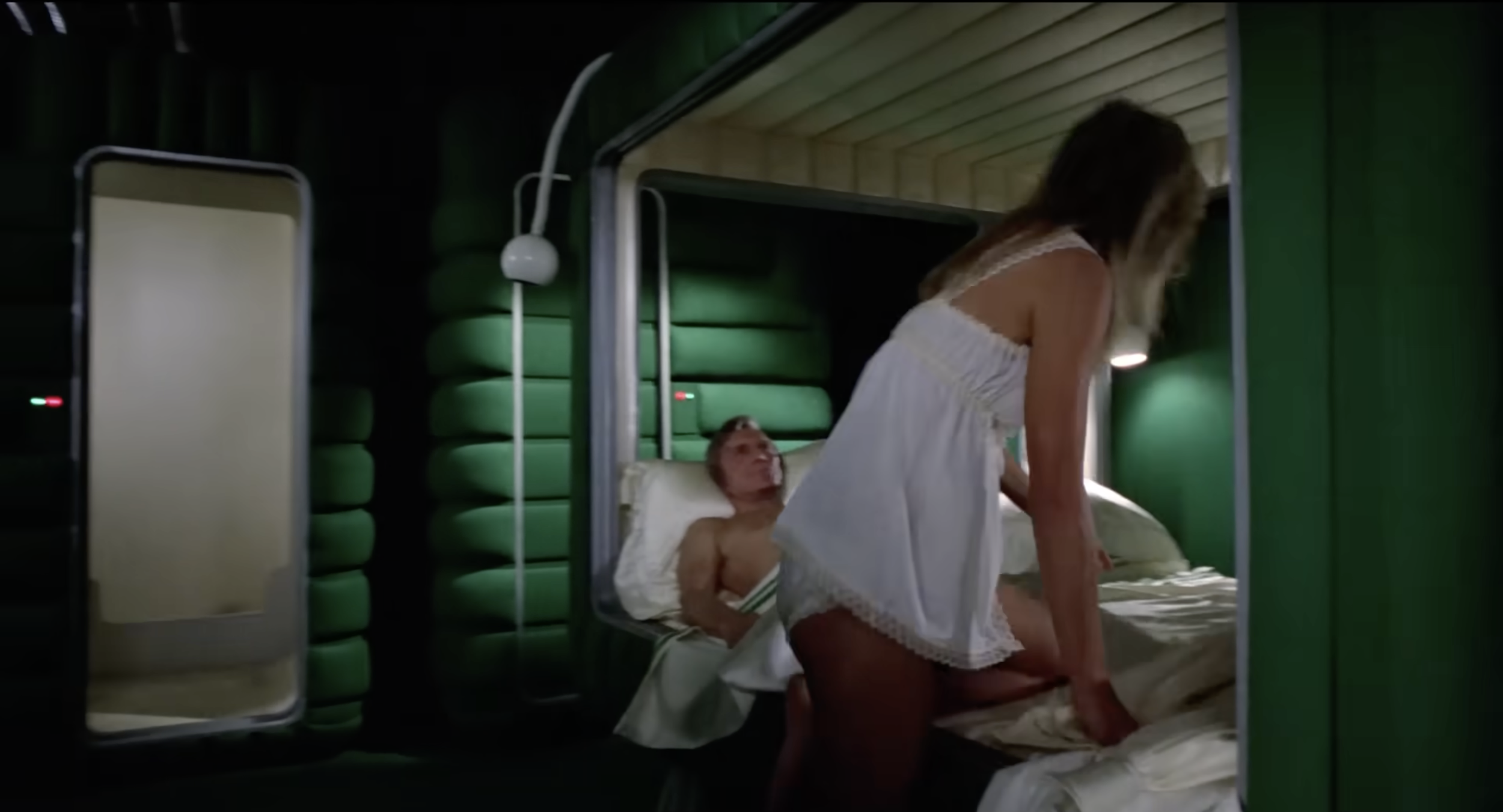
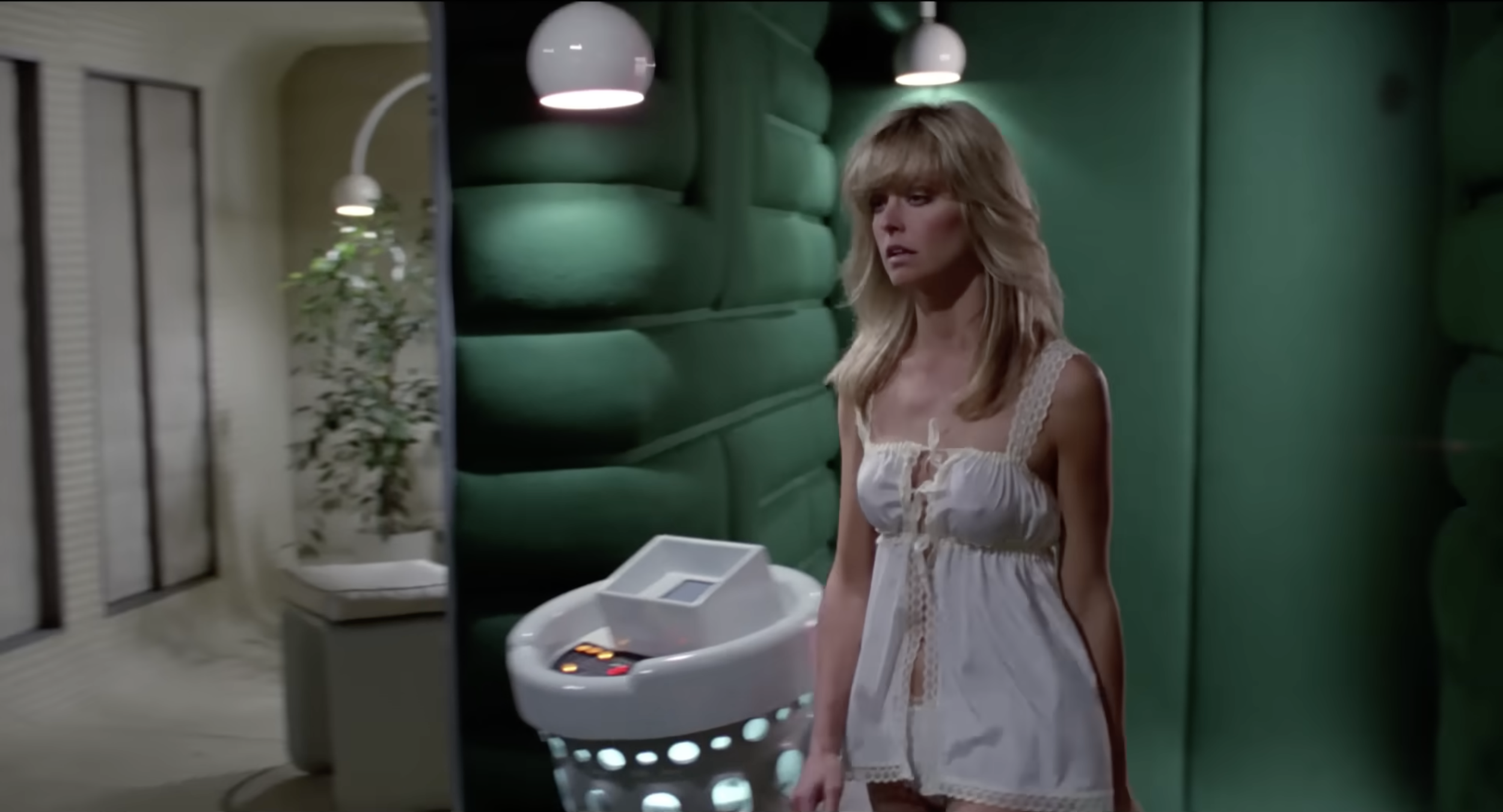
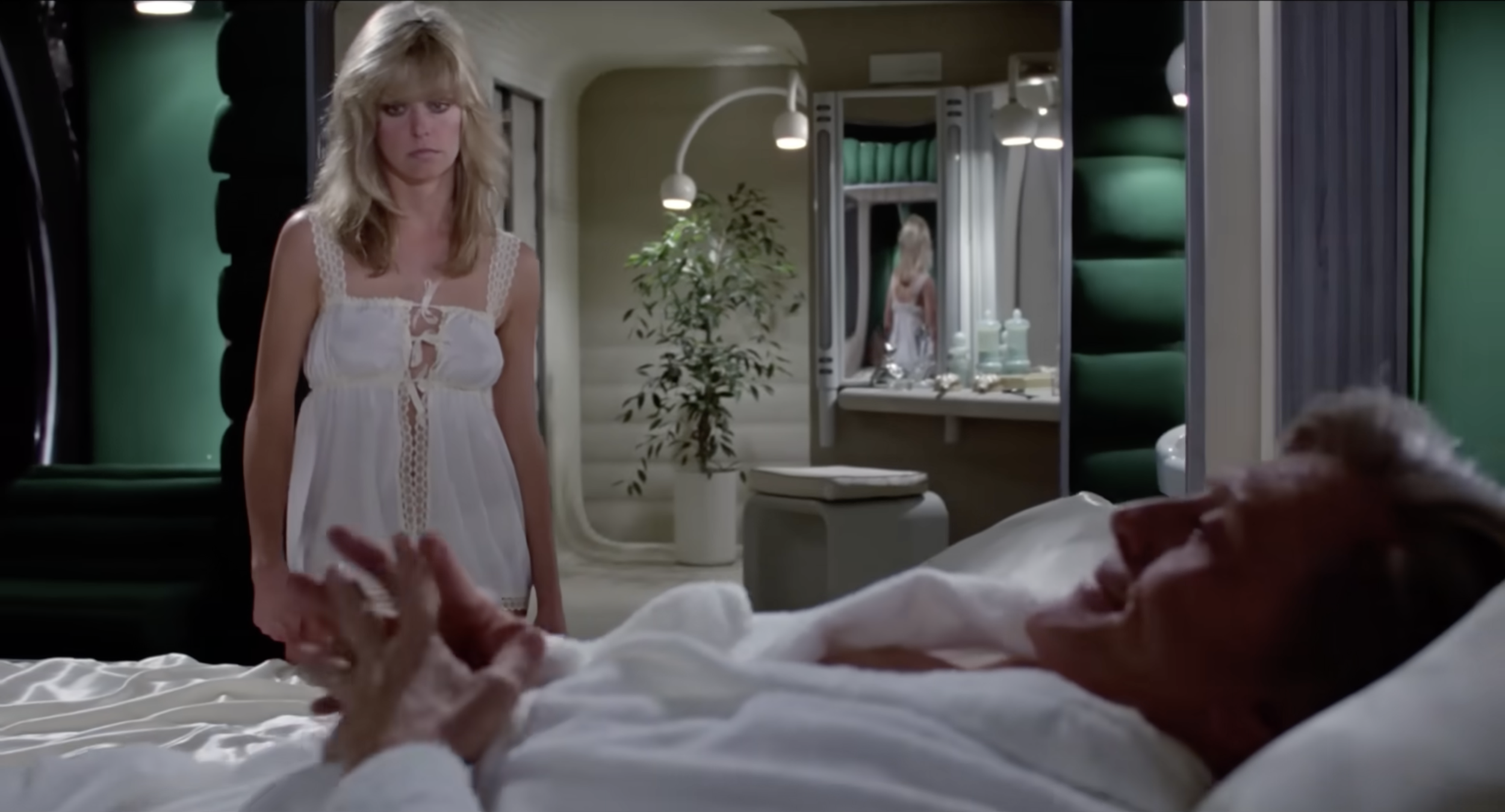
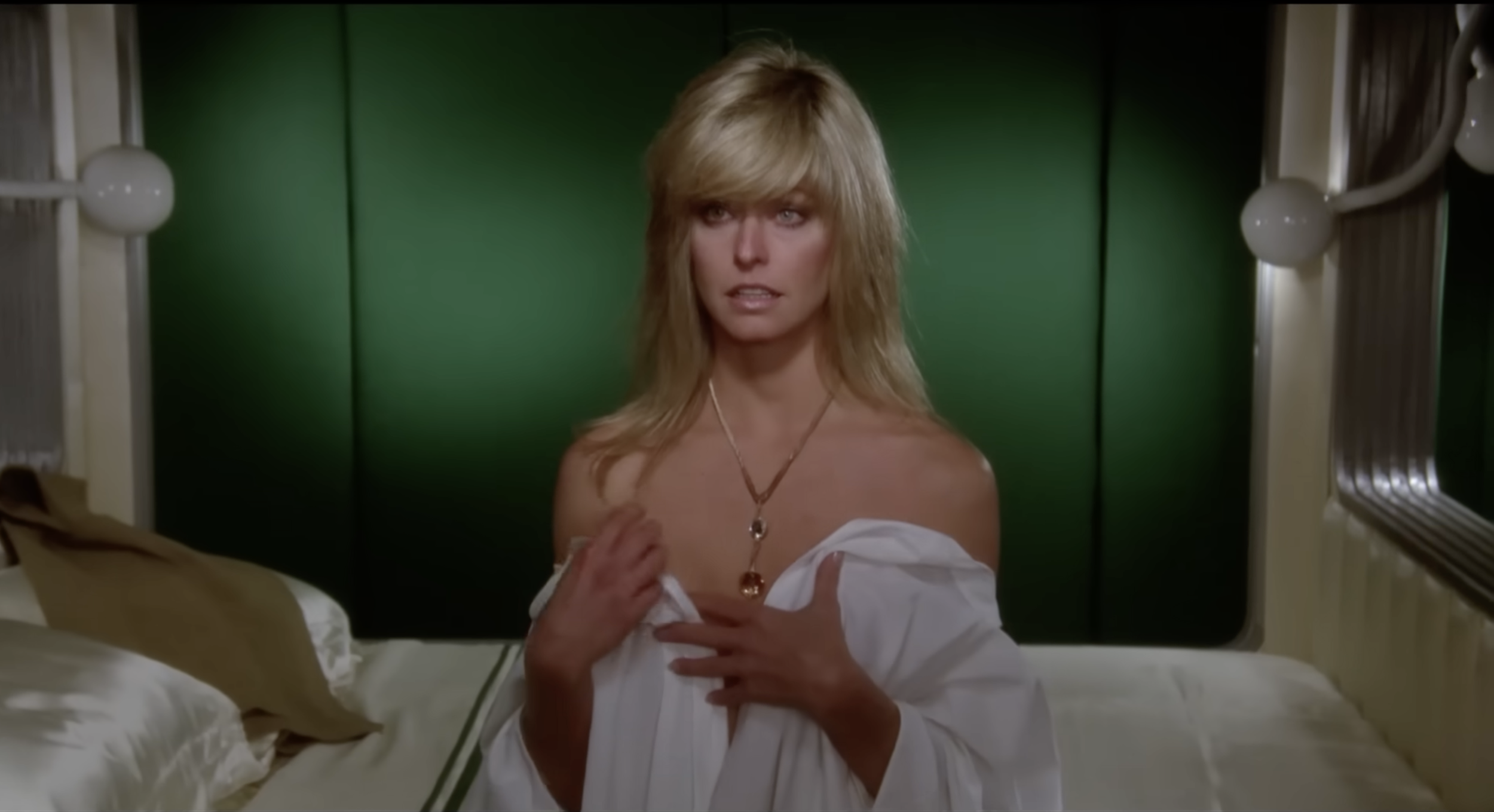
With my son sick so much of January, my husband and I's only break has been to steal hours after he’s gone to sleep and watch movies. While we were seeking out “so bad they're good,” instead, we watched many shockingly dumb, some horrifically bad films. Star Trek: Section 31 is likely one of the worst movies I’ve ever seen, with nothing redeemable about it, but luckily, the others at least had some positives features—even if it was just Dolph Lundgren looking handsome (Dark Angel/I Come in Peace) or some chic space station interiors (Saturn 3, which brings together the talents of Farrah Fawcett, Stanley Donen, and Martin Amis and manages to completely waste them all).
Below are some screenshots of the living quarters in Saturn 3 (1980), production design by Stuart Craig and art direction by Norman Dorme. You can watch the film for free on YouTube:


enjoying
This was originally posted to my Substack.
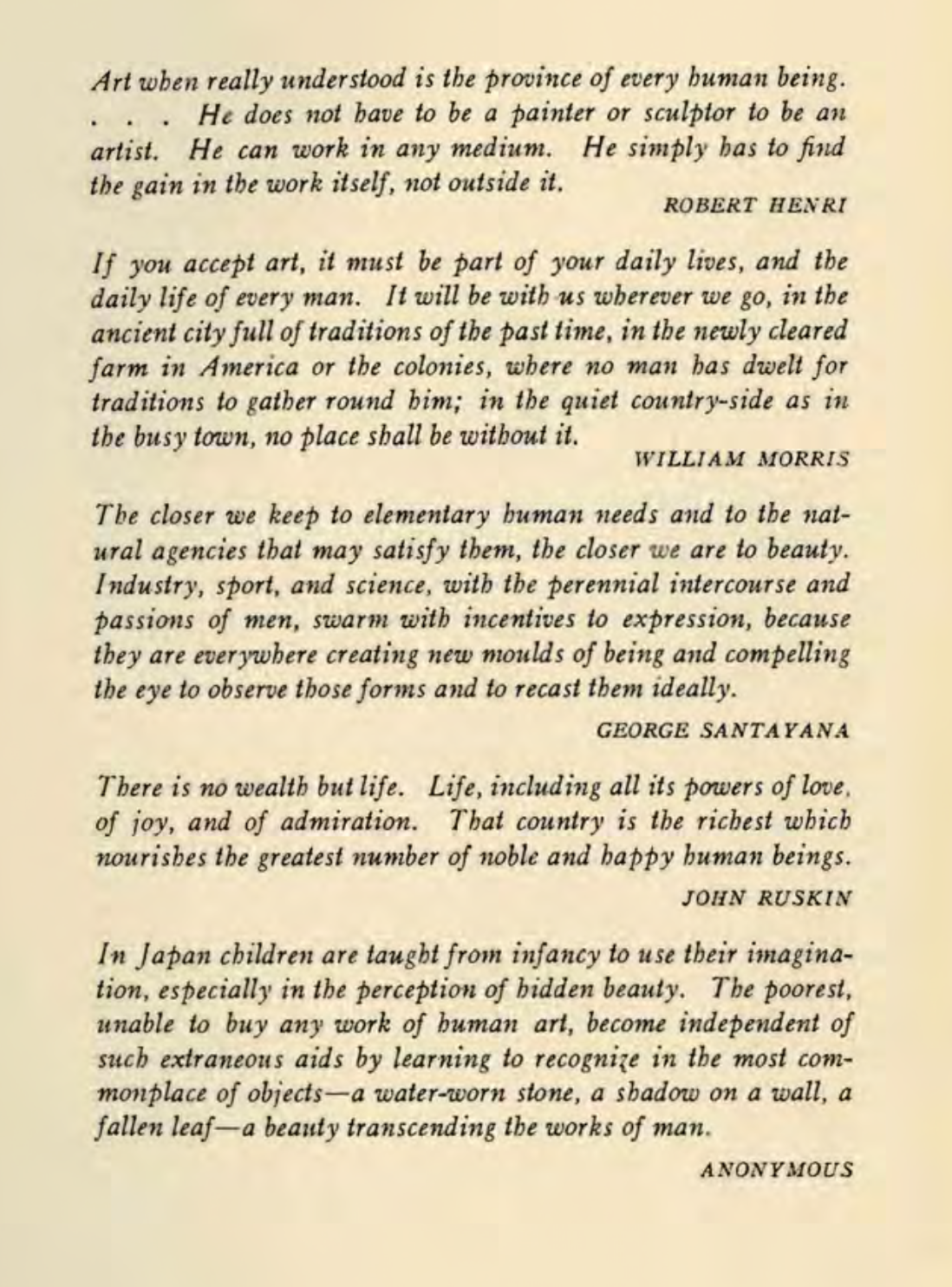
The frontispiece of Allen H. Eaton’s Immigrant Gifts to America: Some Experiments in Appreciation of the Contributions of Our Foreign-Born Citizens to American Culture (New York: Russell Sage Foundation, 1932).
Laura McLaws Helms is a fashion and cultural historian available for consulting on film, television, publishing, and brand projects. Contact her here.